Indonesian Coastal Dining, Reimagined at Ikan Restaurant & Bar
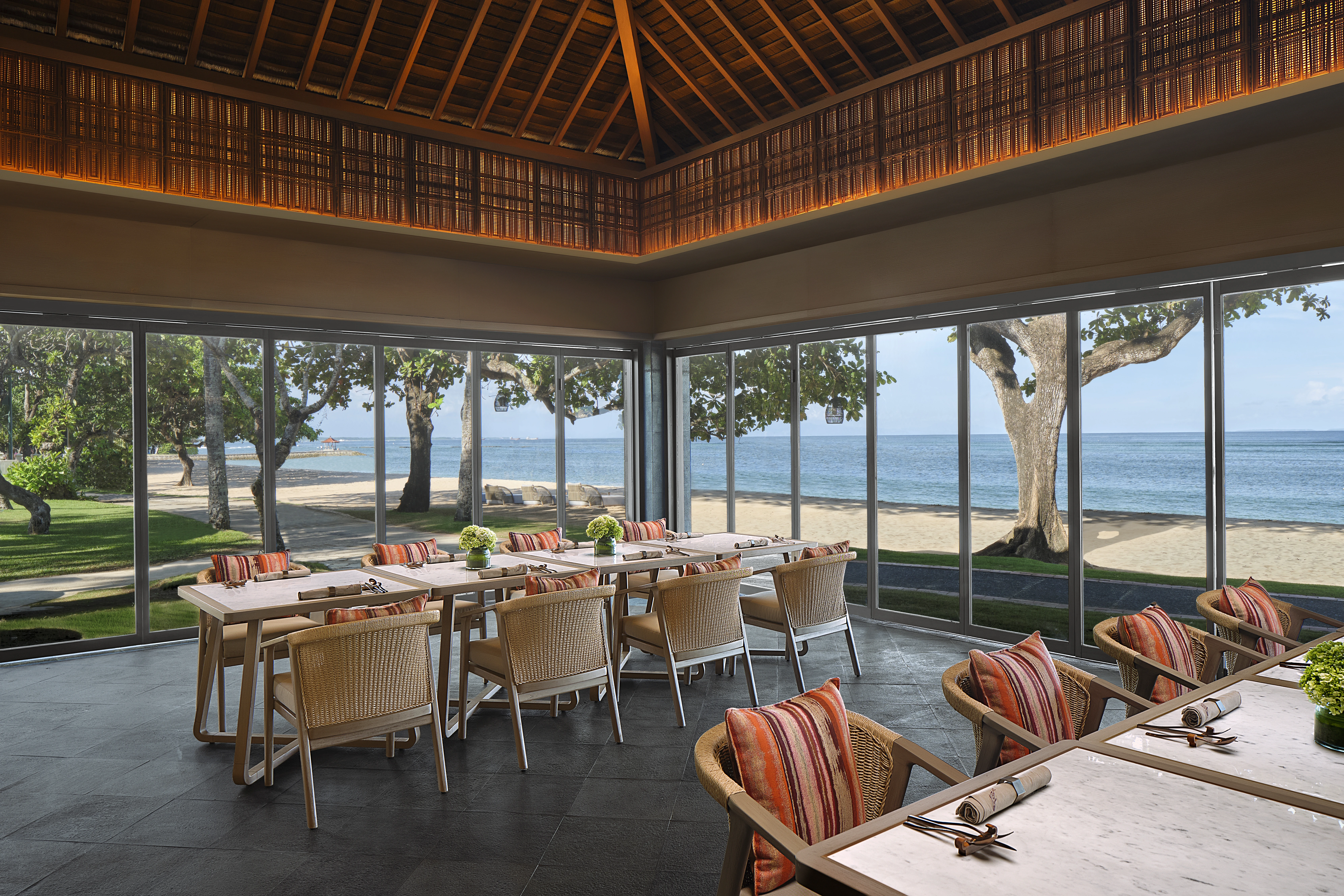
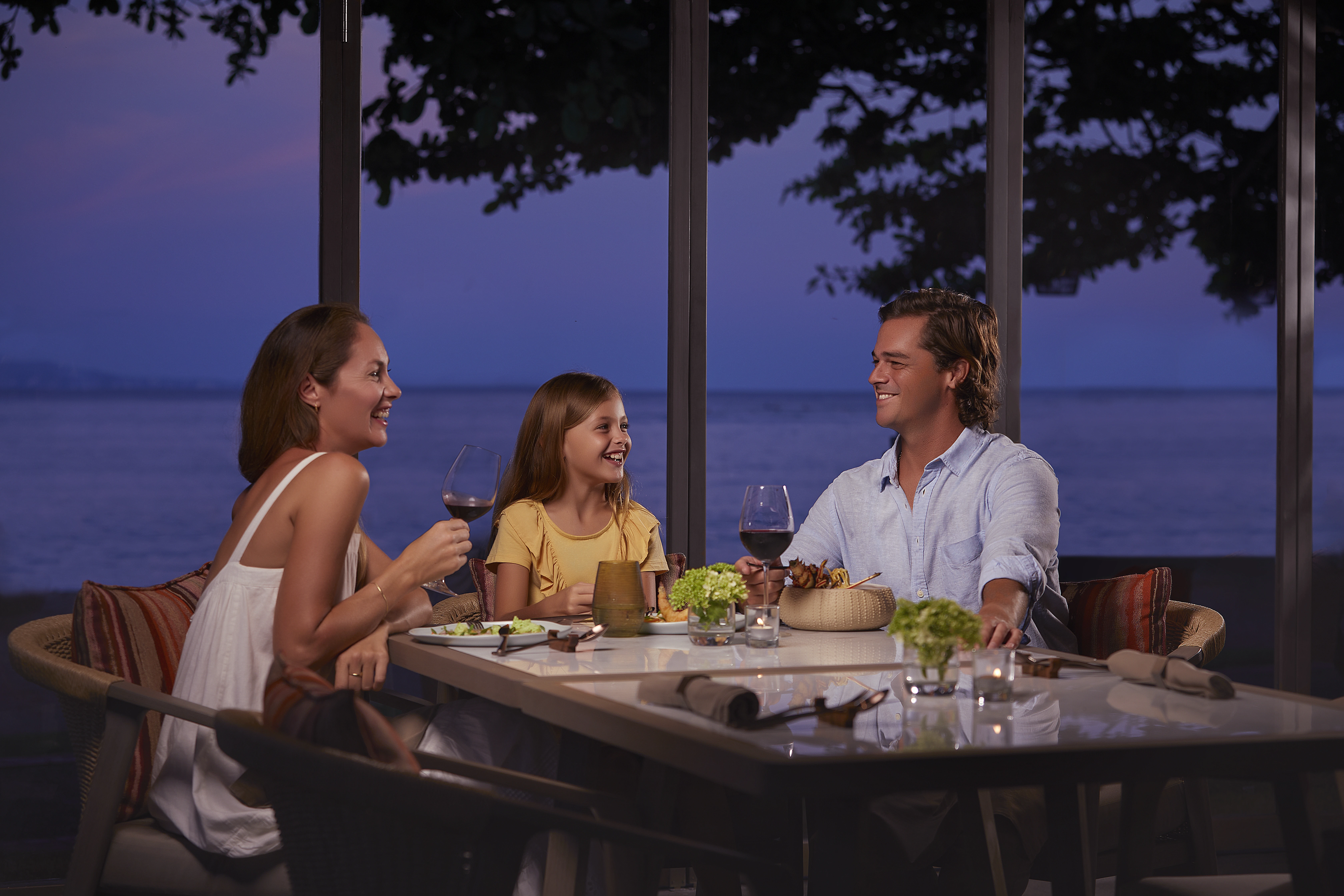
Dinner at the edge of the ocean always carries a certain expectation. The setting does part of the work—the sound of waves, the open horizon, the kind of light that softens everything just enough. But at Ikan Restaurant & Bar, the experience doesn’t rely on the view alone. It builds from something deeper, more familiar, and then pushes it forward.
Under the direction of Chef Mohamad Raviel, Indonesian cuisine here isn’t reinvented for the sake of it. It’s revisited—drawn from memory, from family tables, from the kind of dishes that feel immediate and recognisable, then refined into something more deliberate. The result sits somewhere between nostalgia and precision.
You see it in dishes like Balakutak, where slow-cooked sotong is layered with shallot, garlic, chili, galangal, and coconut cream—rich, bold, and unmistakably rooted in West Java, but balanced with a fresh lift of watercress. Or Pepes Tahu, which moves in the opposite direction—lighter, more restrained, but still carrying depth through its aromatic spices and careful preparation.
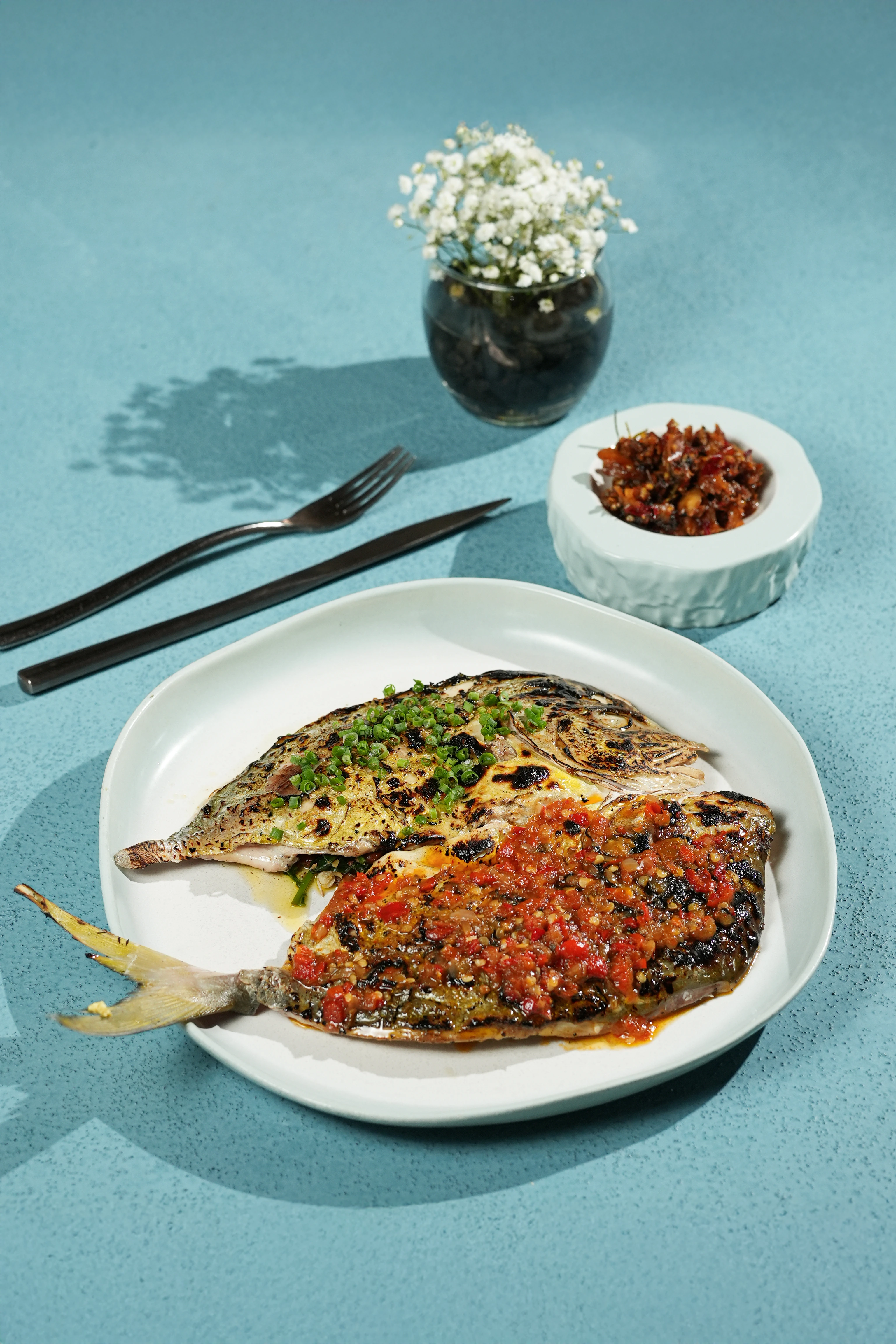
Seafood anchors the menu, as it should. Ikan Kuwe Bakar Saus Mentega arrives with a subtle smokiness from coffee wood grilling, finished with garlic butter that leans indulgent without tipping over. Paired with urap and Sambal Jimbaran, it holds onto its Indonesian identity while still feeling composed.
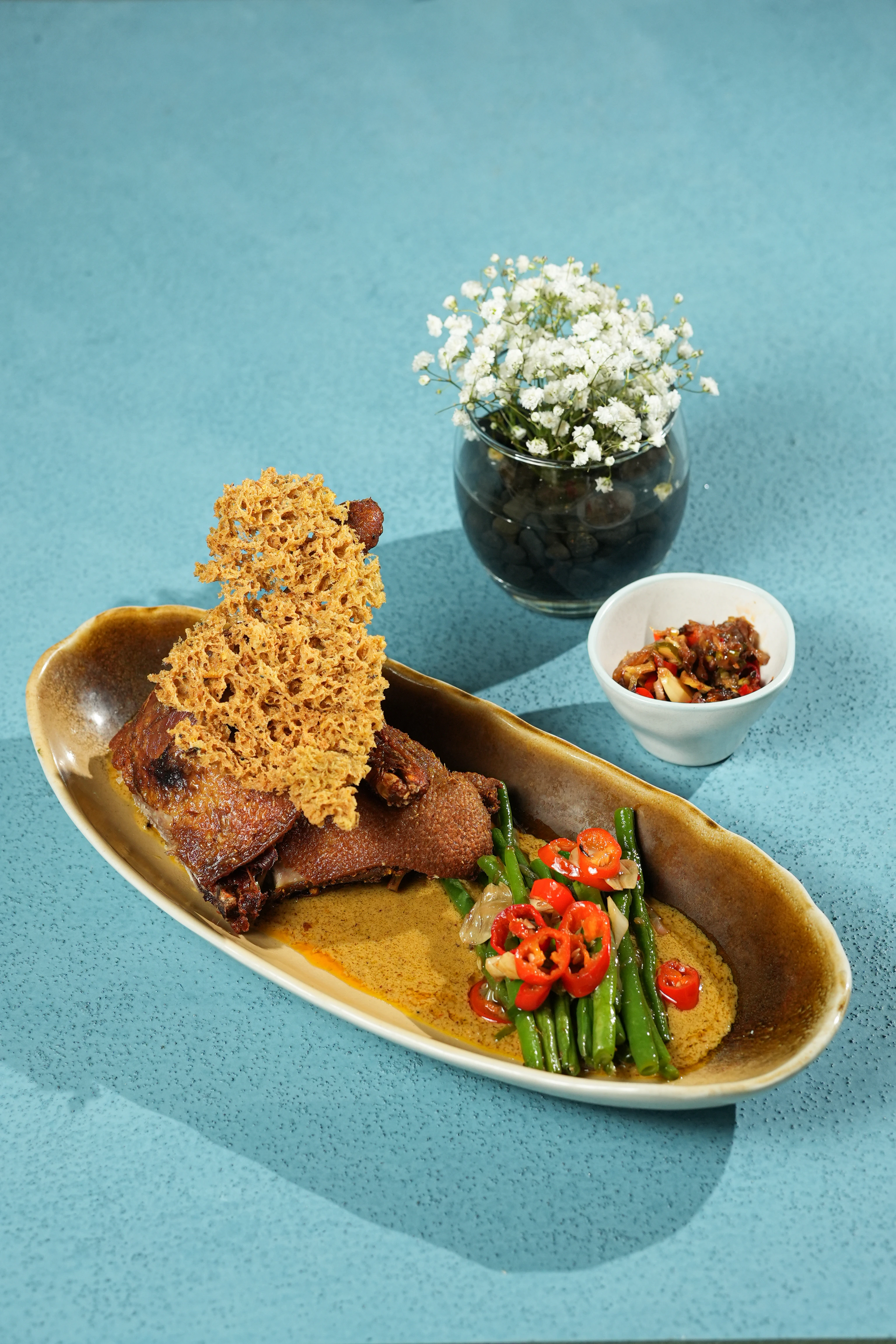
Then there’s Ikan Saus Telur Asin—pan-seared barramundi wrapped in a velvety salted egg sauce that’s rich but controlled—and Bebek Goreng Klungkung, which leans into Bali’s bold spice profile with a texture that’s meant to be felt as much as tasted.
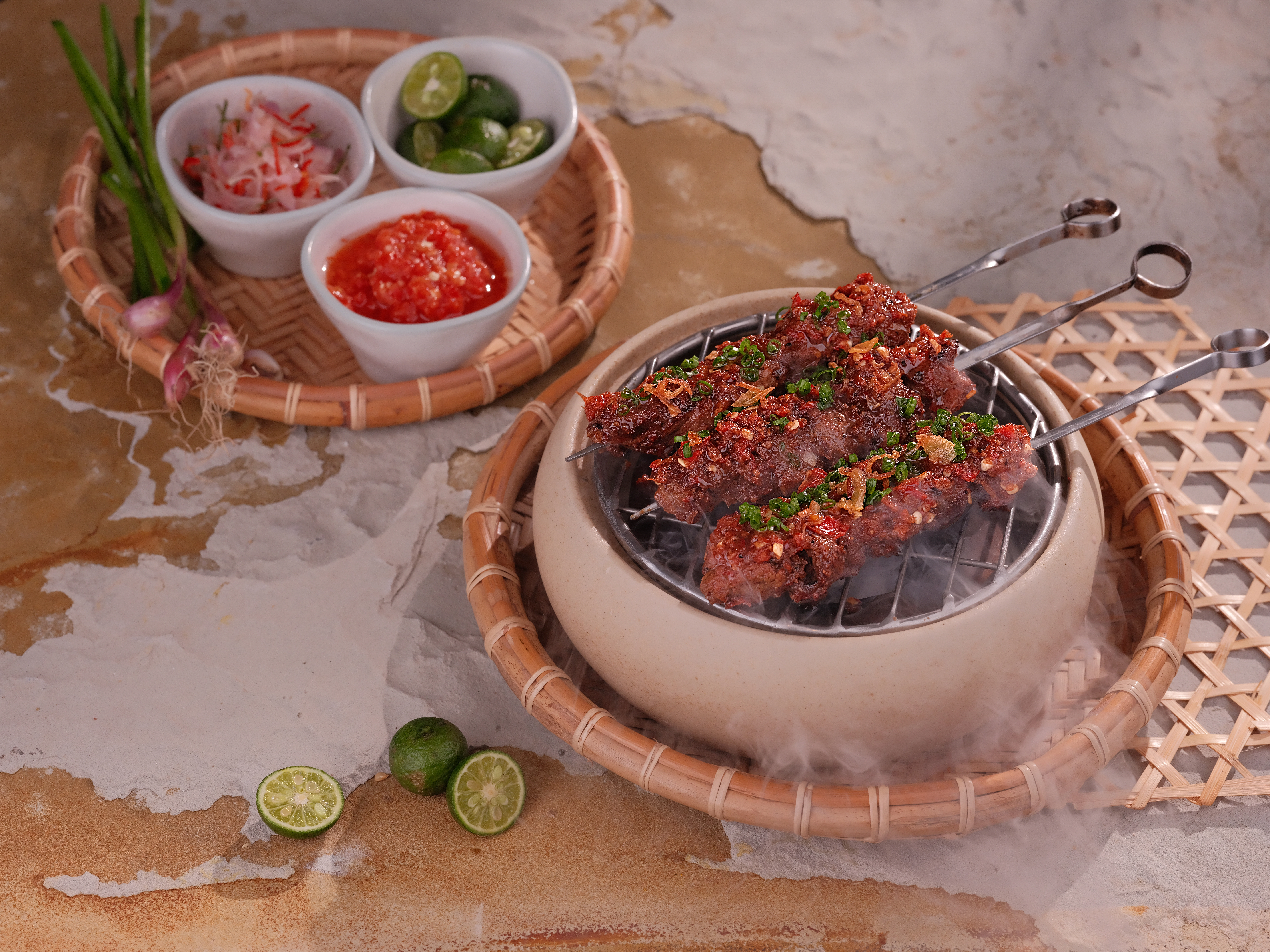
And then, just when the menu starts to feel elevated, it brings you back. Nasi Goreng. Sate. The kind of dishes that don’t need reinterpretation, just the right execution. Familiar, grounding, and exactly where they should be.
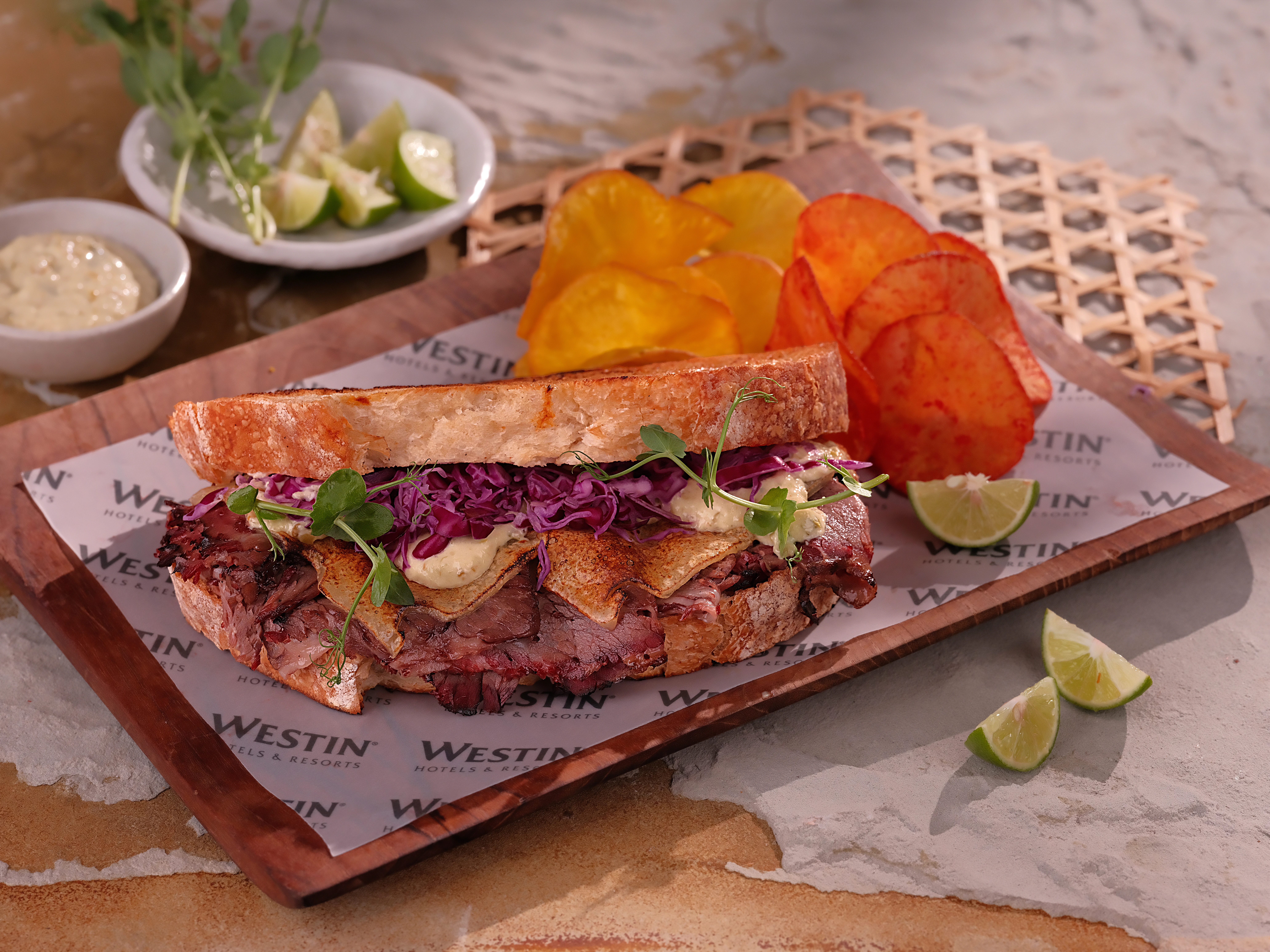
But what really shifts the experience is the sambal. Not as a side note, but as a statement. From the smoky depth of Sambal Roa to the brightness of Sambal Matah, the heat of Sambal Mercon, and the richness of Sambal Kacang—each one changes the direction of the dish, depending on how you use it. It’s interactive without being forced, personal without being complicated.
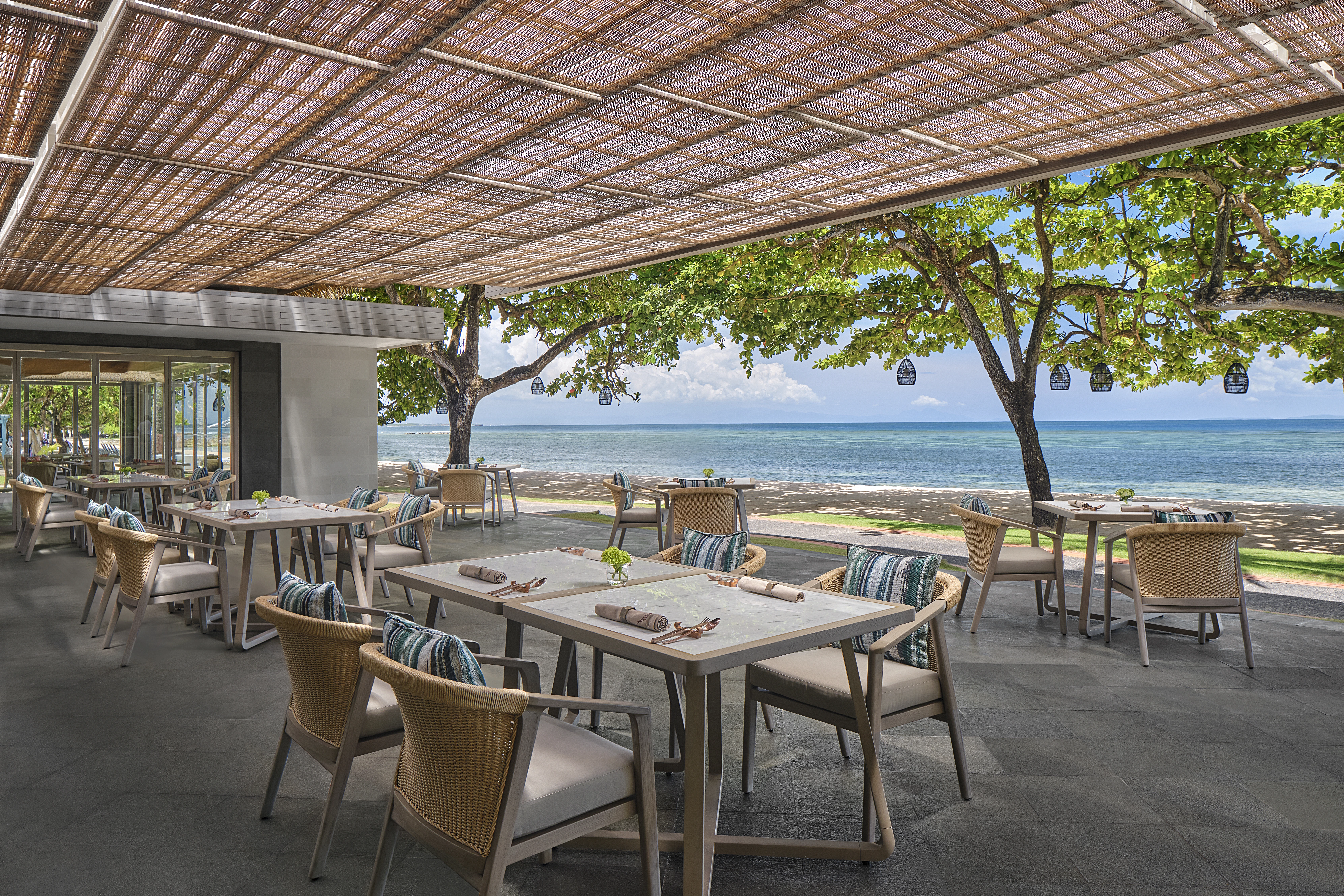
Set along the coastline of Nusa Dua, the space holds all of this together without overcomplicating it. Open, grounded, and designed to let the food and the setting speak at the same time. It’s not trying to be loud, but it doesn’t fade into the background either.
Chef Mohamad Raviel’s approach feels clear: Indonesian cuisine doesn’t need to be rewritten—it just needs to be understood, respected, and then carefully pushed forward. And here, that balance lands exactly where it should.